Seeing your child afraid of water can be tough.
Water can be both fun and essential for safety.
I remember when my daughter was scared of the pool. It took some effort, but now she loves her swim lessons in Singapore.
Here, I will share tips that worked for us.
Understanding the Fear
Children often fear water due to unfamiliarity or past negative experiences. It is important to be patient and supportive.
Gradual Exposure
1. Start Small
Begin with shallow water where your child feels comfortable. Gradual exposure helps build confidence without overwhelming them.
2. Fun Bath Time
Turn bath time into a fun and relaxing experience. Let them play with toys and splash around to get used to the water.
Encouraging Positivity
1. Positive Reinforcement
Praise your child for any progress they make, no matter how small. Positive reinforcement boosts their confidence.
2. Lead by Example
Show your child how much you enjoy the water. Your enthusiasm can be contagious and help alleviate their fears.
Professional Help
1. Enroll in Swim Lessons
Professional swim schools like Eastern Aquatic in Singapore offer structured lessons designed to address and reduce fear of water.
2. Private Lessons
Consider private swimming lessons for a more personalized approach, allowing the instructor to focus solely on your child's needs.
Safety First
1. Use Floatation Devices
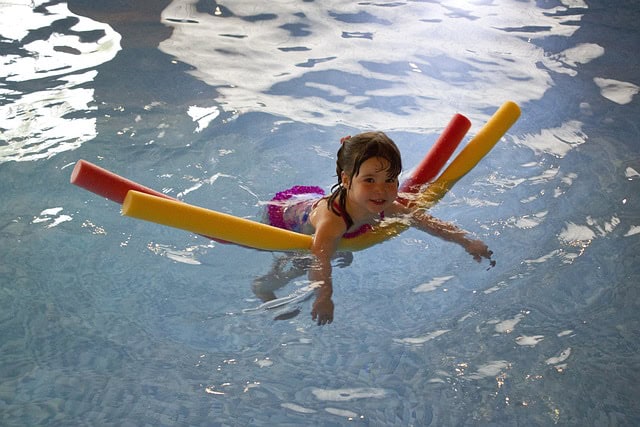
Floatation devices provide a sense of security and help children feel safer in the water.
2. Stay Close
Always stay within arm’s reach of your child to ensure they feel protected and secure.
FAQs
1. How long does it take for a child to overcome their fear of water?
Every child is different, but with patience and consistent practice, most children begin to feel comfortable in a few weeks to a few months.
2. Are there specific swim schools that specialize in helping children with water fear?
Yes, many swim schools like Eastern Aquatic in Singapore offer specialized programs designed to help children overcome their fear of water.
3. Should I force my child into the water if they are scared?
Never force your child into the water. Gradual exposure and positive reinforcement are more effective and less traumatic.
4. Can water toys help reduce fear?
Yes, water toys can make the experience more enjoyable and less intimidating for children.
5. Is it normal for children to cry during swim lessons?
It can be normal, especially at the beginning. Patience and gentle encouragement are key.
6. How can I support my child during swim lessons?
Be supportive and encouraging, stay close by, and ensure they feel safe at all times.
7. Are private swim lessons more effective for fearful children?
Private lessons can be more effective as they offer personalized attention and a pace suited to your child’s comfort level.
8. What should I do if my child’s fear persists?
Consult with a swim instructor or child psychologist for additional strategies and support.
Conclusion
Helping your child overcome their fear of water requires patience, understanding, and the right approach. With gradual exposure, positive reinforcement, and professional guidance, your child can learn to enjoy the water and benefit from the many advantages of swimming. Take these tips to heart and watch your child’s confidence grow!